
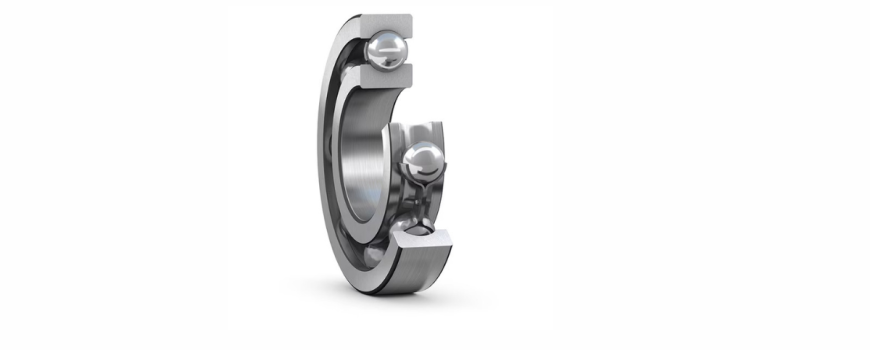
New ball bearing s – SKF deep groove ball bearing
Discover the essential factors to consider when selecting deep groove ball bearings in this comprehensive guide, designed to help both professionals and enthusiasts make informed decisions. Explore detailed insights into bearing specifications, applications, and performance optimization to ensure reliable operation and longevity. Elevate your understanding and achieve optimal results with expert tips tailored for a broad audience seeking high-quality, practical guidance.
Critical Factors to Consider When Choosing Deep Groove Ball Bearings
Selecting the appropriate deep groove ball bearing requires careful evaluation of several key specifications and operational factors:
Bearing Specifications: Size, Load Capacity, and Precision Grades
- Size: Ensure the bearing’s inner and outer diameters, width, and overall dimensions match the application’s requirements.
- Load Capacity: Determine the maximum radial and axial loads the bearing will experience to select a model that can handle operational stresses without premature failure.
- Precision Grades: Bearings are manufactured with different accuracy levels (e.g., ABEC, ISO standards). Higher precision grades are essential for applications demanding minimal vibration and high rotational accuracy.
Material Selection: Steel, Ceramic, and Hybrid Options
- Steel: Most common, offering good strength, durability, and cost-effectiveness.
- Ceramic: Provide higher speed capabilities, lower friction, and better thermal stability, suitable for high-performance applications.
- Hybrid: Combine steel rings with ceramic balls, optimizing performance and longevity.
Operating Conditions: Temperature Ranges, Lubrication Needs, and Environmental Factors
- Temperature: Select bearings rated for the expected operating temperature range to prevent material degradation.
- Lubrication: Proper lubrication (grease or oil) reduces friction and wear. Consider environmental factors that may influence lubrication choice.
- Environmental Factors: Exposure to moisture, dust, chemicals, or extreme conditions necessitates bearings with appropriate seals or corrosion-resistant materials.
Load Types and Directions: Radial, Axial, and Combined Loads
- Understand whether the application involves predominantly radial loads, axial loads, or a combination. Deep groove ball bearings are versatile but may have limitations under heavy axial loads compared to specialized angular contact ball bearings.
Speed Ratings and Rotational Requirements
- Ensure the bearing’s maximum speed rating aligns with the application’s rotational speeds to prevent overheating and premature failure.
Expert Tips for Selecting the Right Deep Groove Ball Bearing
Making an informed choice involves a systematic approach:
Assessing Application-Specific Demands
- Analyze operational loads, speeds, and environmental conditions.
- Match bearing features such as size, load capacity, and precision to these demands.
Evaluating Bearing Quality and Certification Standards
- Opt for bearings that meet recognized standards like ISO, ABEC, or JIS to ensure quality and consistency.
- Reputable manufacturers often provide certification and detailed technical datasheets.
Considering Maintenance and Lubrication Strategies
- Determine maintenance schedules based on operating conditions.
- Choose bearings compatible with your lubrication method, and consider sealed or shielded options to reduce contamination.
Analyzing Cost Versus Performance
- Balance initial costs with expected lifespan and performance requirements.
- Investing in higher-quality bearings can reduce downtime and maintenance costs over time.
Consulting Manufacturer Datasheets and Technical Support
- Review detailed specifications and installation guidelines.
- Engage with technical support for complex applications or when in doubt.
Ensuring Longevity and Peak Performance of Deep Groove Ball Bearings
Proper handling and maintenance are crucial for maximizing the lifespan of your ball bearings:
Proper Installation Techniques
- Use appropriate tools and methods to avoid damaging the bearing during installation.
- Follow manufacturer instructions regarding preload and fit tolerances.
Routine Inspection and Maintenance Practices
- Regularly check for signs of wear, noise, vibration, or temperature anomalies.
- Schedule periodic lubrication and cleaning to prevent contamination and corrosion.
Recognizing Signs of Wear and Troubleshooting
- Look for increased vibration, unusual noise, or overheating, which may indicate issues.
- Address problems promptly to prevent bearing failure and equipment downtime.
Implementing Best Practices for Lubrication and Environmental Protection
- Use recommended lubricants and adhere to lubrication intervals.
- Protect bearings from contaminants with seals, shields, or protective covers.
Selecting High-Quality Bearings from Reputable Suppliers
- Purchase from trusted manufacturers or distributors known for quality assurance.
- Verify certifications and product traceability to ensure reliability.
By carefully considering these factors and adhering to best practices, you can select deep groove ball bearings that deliver optimal performance, reliability, and longevity in your machinery and equipment.